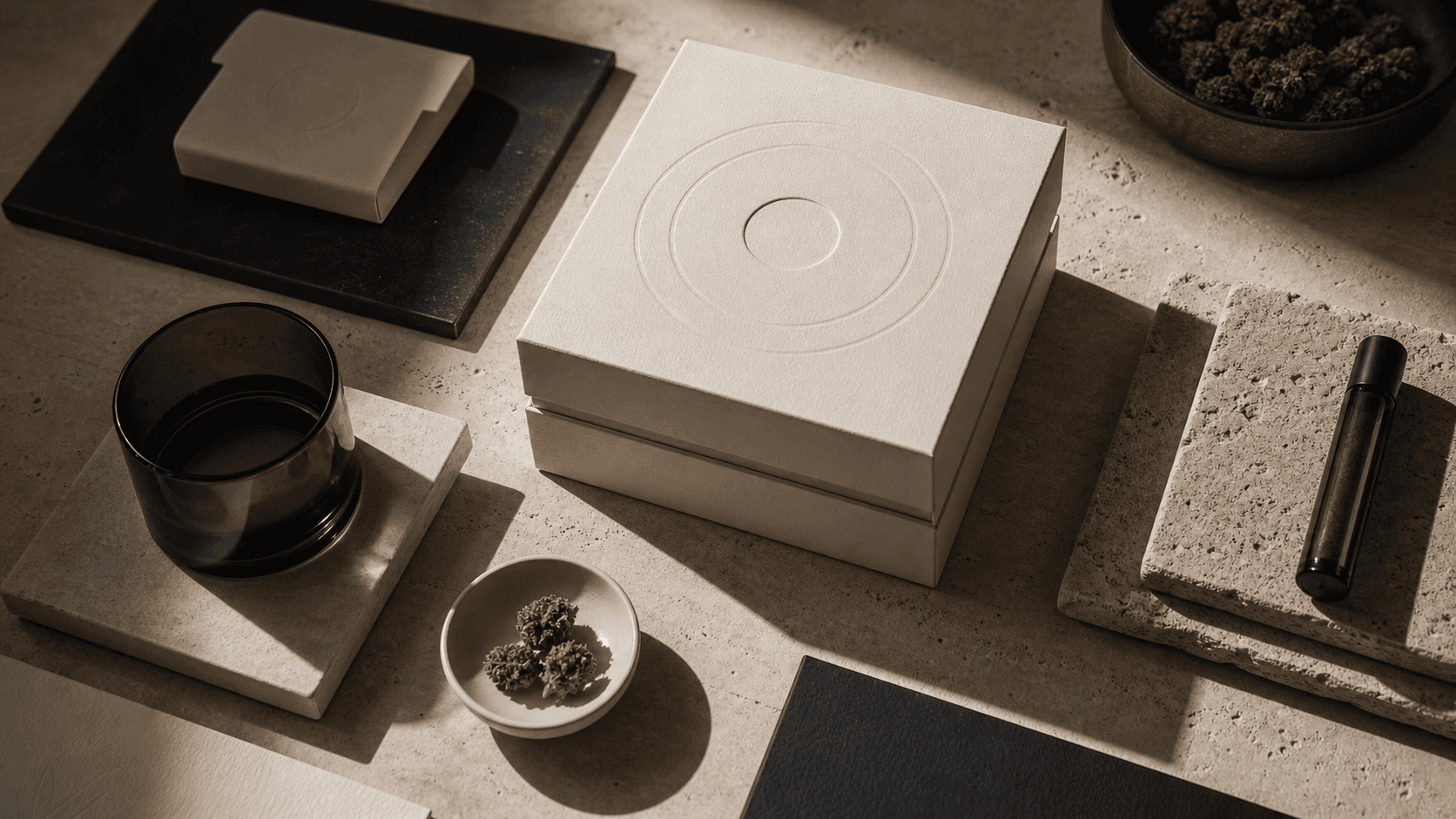
Before a product is opened, tasted, worn, or consumed, design has already suggested what the experience will be. It tells the customer whether the product feels considered or careless, familiar or distinctive, premium or interchangeable.
This is not superficial. Expectation changes perception. When presentation signals quality, people often pay closer attention to positive details and interpret ambiguity more favorably. When presentation creates doubt, even a strong product has to overcome the expectation that something may be wrong.
Price is therefore never communicated by the number alone. It is communicated by typography, photography, materials, packaging structure, naming, spacing, language, website behavior, retail context, and the consistency of every encounter surrounding the purchase.
Luxury is not created by adding gold foil or using a serif font. It is created through restraint, coherence, specificity, and evidence of care. Premium design feels intentional because nothing appears accidental—not the crop, the copy, the material, the transition, or the space left empty.
Cannabis is especially vulnerable to weak design because customers cannot always evaluate the product before buying. Packaging and brand experience become proxies for cultivation standards, reliability, safety, and taste. The design is making claims even when the copy is not.
When a category adopts the same visual conventions, differentiation collapses. Similar colors, strain language, icons, and claims create a shelf of products that must compete on potency or promotion. Distinctive design gives the customer another reason to choose—and another way to remember.
Consistency amplifies this effect. A beautiful package paired with a confusing website or indifferent customer experience breaks the expectation the brand created. Perceived value grows when every touchpoint confirms the same standard.
Good design can also make operations clearer. Information hierarchy reduces support questions. Thoughtful packaging improves use. A coherent system helps employees communicate consistently. Design is not separate from performance; it organizes performance into an experience people can understand.
The experience surrounding the product becomes part of the product itself. That is why design is not merely a creative expense. It is a pricing strategy, a trust strategy, and a way to escape constant comparison.
Understanding people is where stronger brands begin.Apply to work with us ↗